
The “Japanese oven mitts aesthetic” transcends mere practicality, embracing a meticulous blend of function and artistry. Inspired by centuries of Japanese design principles, these mitts showcase a unique aesthetic, distinguished by carefully chosen materials, intricate patterns, and a harmonious color palette. Beyond their utilitarian purpose, they offer a glimpse into a culture deeply rooted in craftsmanship and aesthetic appreciation.
This exploration delves into the core elements of this captivating aesthetic, examining the materials, design principles, color palettes, and cultural context that underpin its unique appeal. From traditional motifs to modern interpretations, we uncover the rich tapestry of influences shaping this distinct style.
Defining the Aesthetic
The “Japanese oven mitts aesthetic” transcends mere practicality, embodying a sophisticated blend of tradition and modern design sensibilities. It’s a visual language deeply rooted in Japanese cultural values, offering a subtle yet powerful statement about craftsmanship and aesthetics, even in the seemingly mundane. This aesthetic extends beyond the kitchen, reflecting a broader appreciation for quality materials and mindful design.This style is characterized by a harmony of form and function, showcasing a commitment to visual appeal alongside the practical need for heat resistance.
The aesthetic draws upon a rich history of Japanese design principles, often prioritizing simplicity, minimalism, and a respect for natural materials. The choice of color palettes, patterns, and textures all contribute to the overall aura of serenity and elegance.
Core Characteristics
The Japanese oven mitts aesthetic prioritizes clean lines and understated elegance. It often eschews overt ornamentation in favor of a focus on functionality and subtle visual cues. Materials, whether natural fibers or modern synthetics, are carefully chosen for both their practical properties and their aesthetic appeal.
Visual Elements
A key visual element is the emphasis on natural color palettes. Earthy tones like muted greens, browns, and grays are common, often inspired by the natural world. These colors create a sense of calm and grounding, reflecting a connection to nature that is fundamental to Japanese culture. In contrast, sometimes, subtle pops of deeper colors like indigo or burnt orange are incorporated to add visual interest without disrupting the overall harmony.
Geometric patterns, inspired by traditional Japanese design, are occasionally used. These patterns, though often simple, can contribute a sense of order and balance. Textiles, such as linen, cotton, and even silk, are favored for their texture and tactile quality, adding to the overall sense of warmth and comfort.
Cultural and Historical Influences
The aesthetic is deeply influenced by traditional Japanese design principles, notably the concept of “侘び寂び” (wabi-sabi). This philosophy emphasizes the beauty of imperfection, transience, and the natural world. The aesthetic of the Japanese oven mitt often reflects this philosophy, with a focus on understated elegance and the acceptance of natural variations in materials. Traditional Japanese craftsmanship, with its meticulous attention to detail and use of high-quality materials, is another key influence.
This approach to design translates into oven mitts that are not just functional but also beautiful objects, imbued with a sense of history and cultural significance.
Color Palettes, Patterns, and Textures
- Color Palettes: Muted tones like sage green, charcoal gray, and deep browns are frequently used, drawing inspiration from nature. Occasionally, subtle pops of color, such as indigo or burnt orange, are incorporated for visual interest without disrupting the overall harmony.
- Patterns: Geometric patterns, often inspired by traditional Japanese designs, may be present, though they are typically simple and understated. Sometimes, patterns based on natural motifs such as bamboo or flowing water are used.
- Textures: Natural fibers like linen, cotton, and even silk are often chosen for their tactile quality. The textures contribute to the overall sense of warmth and comfort, echoing the values of traditional Japanese design. Modern synthetic materials might also be used, but they are selected for their ability to create a pleasing texture.
Reflection of Traditional Design Principles
“The Japanese oven mitts aesthetic embodies the principles of wabi-sabi, emphasizing the beauty of imperfection and the natural world.”
Traditional Japanese design often prioritizes simplicity, functionality, and a respect for natural materials. These principles are reflected in the Japanese oven mitts aesthetic through the use of natural color palettes, the incorporation of subtle patterns, and the selection of high-quality, often natural, materials. The aesthetic embodies a philosophy of mindful design, where beauty and practicality are seamlessly intertwined.
Distinction from Other Styles
Compared to other oven mitt styles, the Japanese aesthetic is characterized by a focus on understated elegance and a deeper connection to Japanese design principles. Western oven mitts often feature brighter colors, more elaborate patterns, or a stronger emphasis on bold design statements. The Japanese aesthetic is more subtle, emphasizing understated elegance and respect for natural materials.
Material Palette
Japanese oven mitts, steeped in tradition and meticulous craftsmanship, showcase a diverse material palette that reflects both practicality and aesthetic sensibilities. The choice of material significantly impacts the feel, durability, and overall visual appeal of these functional kitchen essentials. From the delicate touch of silk to the robust strength of bamboo, each material contributes to the unique character of these mitts.The selection of materials in Japanese oven mitts is not arbitrary.
Each choice is carefully considered, balancing the need for heat resistance, dexterity, and an aesthetic that aligns with the broader design philosophy of Japanese culinary traditions. The resulting mitts are not simply tools; they are objects of beauty, reflecting a cultural appreciation for quality craftsmanship and mindful design.
Material Properties and Advantages
The materials used in Japanese oven mitts are carefully selected for their heat resistance, durability, and tactile qualities. Different materials offer unique advantages in terms of both performance and aesthetic appeal.
| Material | Texture | Color Palette | Properties | Advantages |
|---|---|---|---|---|
| Cotton | Soft, slightly absorbent | Natural beige, cream, white, muted blues | Excellent heat resistance, comfortable against the skin | Affordable, breathable, readily available |
| Silk | Smooth, luxurious | Muted ivory, soft pastels | Exceptional heat resistance, luxurious feel, naturally hypoallergenic | Adds a touch of elegance, luxurious feel, good heat insulation |
| Bamboo | Strong, slightly rough | Natural beige, light brown | Excellent heat resistance, renewable, sustainable | Eco-friendly, durable, good heat insulation, moisture-wicking |
| Hemp | Strong, slightly coarse | Natural browns, muted greens | Exceptional heat resistance, durable, breathable | Eco-friendly, durable, good heat insulation, sustainable |
| Wool | Warm, soft, slightly fuzzy | Natural gray, deep browns | Exceptional heat resistance, moisture-wicking, insulating | Warmth and comfort, excellent insulation, durability |
Material Selection and Aesthetics
The choice of material in Japanese oven mitts is intrinsically linked to the aesthetic. Materials like silk and cotton evoke a sense of refinement and comfort, while bamboo and hemp represent a commitment to sustainability and natural beauty. The subtle color palettes, often earthy tones, reinforce the traditional Japanese aesthetic, emphasizing natural textures and muted hues. The use of natural fibers reflects the emphasis on simplicity and quality found in many Japanese design principles.
“The selection of materials in Japanese oven mitts demonstrates a harmonious blend of practicality, aesthetics, and cultural values.”
Examples of Materials, Textures, and Colors
This table offers concrete examples of the material palette, illustrating the range of textures and colors employed in Japanese oven mitts.
| Material | Texture Description | Color Palette Examples |
|---|---|---|
| Cotton | Soft, slightly absorbent, with a gentle drape | Natural beige, cream, muted indigo, deep reds |
| Silk | Smooth, lustrous, with a subtle sheen | Muted ivory, pale rose, soft mint green, deep burgundy |
| Bamboo | Strong, slightly rough, with a natural fiber appearance | Natural beige, light brown, charcoal gray |
Design Elements
Japanese oven mitts, imbued with a deep-seated cultural reverence for functionality and aesthetics, showcase a distinct visual language. This language, often reflecting nature and traditional craftsmanship, translates into a specific set of design elements. The choice of these elements isn’t arbitrary; it’s deeply rooted in the cultural values and historical context of Japan. The materials, colors, and shapes employed all contribute to a holistic aesthetic that embodies the spirit of Japanese design principles.
Prominent Design Elements
The prominent design elements of Japanese oven mitts are meticulously crafted to embody both practicality and aesthetic appeal. These elements often incorporate symbolic meaning, reflecting the profound cultural significance attached to the everyday objects in Japanese life.
Shapes
The shapes of Japanese oven mitts often mimic natural forms. Round, curved, and organic shapes are prevalent, reflecting the natural world. Consider the graceful curves of a blossoming cherry blossom or the flowing lines of a bamboo stalk. These organic shapes create a sense of harmony and balance, mirroring the Japanese appreciation for the beauty in nature. The shapes are not merely decorative but also contribute to the functionality of the mitts, allowing for better grip and comfort.
Patterns
Japanese oven mitts frequently incorporate traditional patterns, some imbued with symbolic meanings. These patterns often depict flora and fauna, reflecting the deep connection between humans and nature in Japanese culture. The use of repeating patterns, such as those inspired by the scales of a carp fish or the intricate petals of a flower, signifies continuity, harmony, and beauty.
The patterns are carefully selected to complement the overall aesthetic, creating a visually rich and meaningful experience.
Embellishments
Embellishments on Japanese oven mitts often serve a dual purpose: enhancing the visual appeal and adding to the functionality. They might involve the use of delicate embroidery, often featuring stylized representations of flowers, animals, or abstract designs. The craftsmanship and precision in these embellishments highlight the meticulous attention to detail in Japanese design. Often, the embellishments are not merely decorative, but also contribute to the structural integrity and durability of the mitts.
Symbolism and Meaning
The choice of shapes, patterns, and embellishments in Japanese oven mitts carries symbolic weight, often reflecting deeply held cultural beliefs. For example, the carp fish is a symbol of strength and perseverance, while the cherry blossom embodies beauty and transience. These symbols are not merely decorative elements; they carry rich cultural significance and remind the user of the deeper meaning behind the design.
Recurring Patterns and Motifs
Several recurring patterns and motifs are frequently seen in Japanese oven mitts, reflecting enduring themes in Japanese culture. The use of flowing lines, often reminiscent of calligraphy or nature, evokes a sense of serenity and harmony. The careful selection of color palettes, often drawing inspiration from nature’s color spectrum, further enhances the overall aesthetic and contributes to the visual appeal.
Design Element Table
| Design Element | Description | Image |
|---|---|---|
| Round Shapes | Organic and curved shapes reminiscent of natural forms. | (Imagine a hand-drawn image of a rounded oven mitt with soft, flowing lines.) |
| Floral Patterns | Patterns inspired by flowers, often in repeating motifs. | (Imagine a stylized floral pattern, perhaps cherry blossoms, repeated across the mitt.) |
| Carp Fish Motif | Carp fish, a symbol of strength and perseverance. | (Imagine a stylized carp fish pattern, possibly in black and white.) |
| Bamboo Motif | Bamboo, symbolizing resilience and strength, with flowing lines. | (Imagine a stylized bamboo pattern, with smooth, flowing lines and delicate knots.) |
Color Palettes
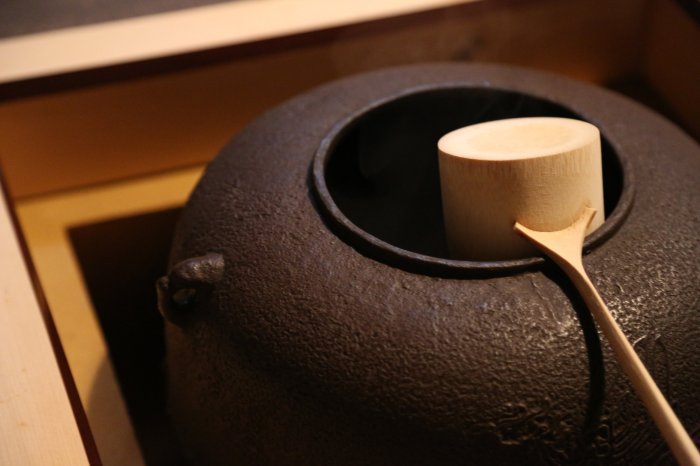
Japanese oven mitts aesthetics often draw inspiration from nature and traditional crafts, resulting in color palettes that are both calming and visually appealing. These palettes reflect a deep-seated cultural appreciation for harmony and balance, creating a sense of tranquility and warmth. The selection of colors conveys a specific message about the mitts’ intended use and purpose.Color choices are not arbitrary; they carry symbolic weight, echoing the values and aesthetics of Japanese culture.
Understanding these nuances allows a deeper appreciation for the design and the cultural context behind it.
Common Color Palettes
Japanese oven mitts often feature a range of earthy tones, evoking feelings of comfort and familiarity. These palettes include variations on reds, greens, browns, and blues, with the exact shades and combinations varying depending on the specific design and intended message. A strong presence of natural colors reinforces the connection to the environment and traditional craftsmanship.
Color Symbolism and Cultural Relevance
Colors in Japanese culture hold significant symbolic meaning. For example, the color red (beni) is associated with luck, happiness, and celebration. In contrast, green (midori) represents nature, growth, and renewal, often linked to springtime and prosperity. Brown (cha) is associated with earthiness, strength, and durability. Blues (aoi) represent tranquility, calmness, and the vastness of the sky.
Color Mood and Feeling Evocation
The chosen color palettes play a crucial role in establishing the mood and feelings associated with the oven mitts. Warm colors like red and brown evoke feelings of comfort, coziness, and warmth, while cool colors like green and blue create a sense of tranquility and serenity. The combination of these colors further influences the overall aesthetic, contributing to the overall atmosphere of the design.
Color Palette Examples
| Palette Name | Primary Colors | Secondary Colors | Mood |
|---|---|---|---|
| Autumnal Harmony | Burnt Orange, Deep Brown, Gold | Muted Greens, Rust | Cozy, warm, comforting |
| Spring Awakening | Light Green, Peach, Mint | Pale Yellow, Light Gray | Fresh, vibrant, optimistic |
| Forest Tranquility | Dark Green, Deep Teal, Gray-Green | Brown, Beige | Peaceful, serene, grounding |
| Celestial Calm | Pale Blue, Sky Blue, Lavender | Soft White, Light Gray | Tranquil, serene, peaceful |
Color Contrasts and Combinations
The contrast between colors significantly impacts the visual appeal and overall design of the oven mitts. For instance, contrasting a deep, rich brown with a vibrant green can create a striking visual effect, while using a palette of muted tones can create a sense of subtle elegance. Complementary color schemes, such as red and green, or blue and orange, can create a harmonious balance.
The specific choices of color combinations will impact the emotional response of the user.
Cultural Context
Japanese oven mitts, more than mere kitchen tools, embody a deep-seated cultural appreciation for meticulous craftsmanship and the harmonious blend of function and aesthetics. This appreciation permeates various design disciplines, reflecting a rich history and intricate relationship with tradition. The evolution of these seemingly simple kitchen accessories reveals much about Japanese values and design philosophy.Japanese culture emphasizes the importance ofshibui*, a concept that describes understated elegance and beauty found in simplicity and restraint.
This aesthetic, often seen in traditional Japanese art and architecture, informs the design choices for oven mitts, prioritizing functionality alongside a sense of understated beauty. The meticulous attention to detail in Japanese craftsmanship is evident in the precise construction and refined material selection of these mitts.
Cultural Significance of Oven Mitts
Oven mitts in Japan are not simply functional items; they represent a link to tradition and respect for the culinary arts. The careful selection of materials and the precise execution of design embody the respect for the process of cooking. This is a common thread in Japanese culture, where the journey is often as important as the destination. The act of preparing food and the respect for the ingredients are often viewed as sacred rituals, and oven mitts play a part in maintaining that tradition.
Japanese Craftsmanship and Traditions
Japanese craftsmanship, deeply rooted in tradition, is characterized by meticulous attention to detail, precise execution, and a commitment to quality materials. This approach is evident in the intricate weaving patterns, the seamless stitching, and the selection of durable materials used in Japanese oven mitts. This dedication to craftsmanship extends beyond the realm of the kitchen, influencing countless aspects of Japanese life, from tea ceremonies to the construction of homes.
The legacy of this craftsmanship is deeply embedded in the design of oven mitts, reflecting a commitment to quality and longevity.
Function and Aesthetics in Japanese Design
Japanese design often prioritizes the harmonious integration of function and aesthetics. Oven mitts, therefore, are not simply tools for protecting hands; they are objects that provide a sense of tactile pleasure and visual appeal. The tactile experience of holding a well-crafted oven mitt, the subtle interplay of textures, and the careful selection of colours all contribute to a holistic aesthetic experience.
This principle of integrating function and aesthetics is evident in numerous Japanese design disciplines, from furniture to electronics.
Relationship with Other Japanese Design Disciplines
The aesthetic principles underpinning Japanese oven mitts are deeply intertwined with other Japanese design disciplines. The concept of
- wabi-sabi*, emphasizing the beauty of imperfection and impermanence, can be seen in the subtle variations in the material and finish of the mitts. The principles of
- ma*, or space, and
- shibui*, or subdued elegance, are also reflected in the thoughtful use of negative space and the careful selection of colors. These concepts, while often associated with specific art forms, are interwoven throughout Japanese design, including oven mitts.
Historical Evolution of Oven Mitts in Japan
The evolution of oven mitts in Japan reflects a long history of adapting and refining techniques. Early examples likely employed natural materials like woven straw or fabric. The introduction of new materials and technologies, such as heat-resistant fabrics, led to advancements in both practicality and design. Over time, the craftsmanship and design principles have been refined, creating oven mitts that embody a blend of function, tradition, and aesthetic beauty.
The materials used and design techniques have evolved alongside broader societal and technological changes.
Visual Representation
The visual language of Japanese oven mitts speaks volumes about the cultural values and aesthetic sensibilities they embody. Beyond practical function, the design choices create a visual narrative that evokes specific emotions and associations. This section delves into the visual cues, examining how they convey meaning and contribute to the overall aesthetic.
Visual Cues Associated with the Aesthetic
Understanding the visual cues is paramount to grasping the Japanese oven mitts aesthetic. These cues, drawn from traditional Japanese design principles and contemporary interpretations, paint a rich picture, conveying a harmonious blend of practicality and artistry. The visual cues, often subtle yet impactful, establish a clear connection between the object and its cultural roots.
- Minimalist Design: A hallmark of Japanese aesthetics is minimalism. The design emphasizes simplicity and functionality, avoiding unnecessary embellishments. This is often achieved through clean lines, uncluttered surfaces, and a focus on essential forms.
- Natural Materials and Color Palettes: The selection of materials and colors is rooted in nature. Materials like bamboo, cotton, or linen are frequently used, reflecting a deep respect for natural resources. The color palette often incorporates earthy tones like browns, creams, grays, and muted greens, echoing the natural landscape of Japan.
- Geometric Patterns: Subtle geometric patterns, often inspired by traditional Japanese motifs or nature, may be incorporated. These patterns, while sometimes understated, contribute a sense of order and harmony to the overall design.
- Emphasis on Craftsmanship: The meticulous craftsmanship inherent in Japanese design is evident in the oven mitts. This is reflected in the precision of the stitching, the quality of the materials, and the overall attention to detail. This aspect speaks to the importance of skill and care in the production process.
Meaning and Emotional Impact of Visual Cues
The visual cues of the Japanese oven mitts aesthetic evoke a range of emotions. Clean lines and minimalist design communicate a sense of serenity and tranquility. The use of natural materials evokes a connection to nature, fostering a sense of peace and well-being. Geometric patterns, if present, add a touch of elegance and order, creating a sense of balance and harmony.
The meticulous craftsmanship suggests a commitment to quality and precision, adding a touch of respect and admiration.
Visual Elements Evoking the “Japanese Oven Mitts Aesthetic”
The aesthetic is characterized by the integration of several specific visual elements. These elements, carefully chosen and thoughtfully combined, contribute to the overall impression. The combination of these elements creates a unique and recognizable visual identity.
- Asymmetrical Balance: While often associated with a sense of imbalance, it can be strategically employed in a visually striking manner. This is achieved through the deliberate arrangement of elements that create an aesthetic tension that draws the eye, evoking a sense of dynamic equilibrium.
- Soft Color Palette: The soft color palette, primarily comprised of muted tones, creates a sense of calm and serenity. Colors evoke a connection to nature, grounding the design in a sense of peace and well-being.
- Simple Silhouettes: The use of simple silhouettes and shapes contributes to the minimalist aesthetic. These shapes emphasize functionality and reduce visual clutter, allowing the focus to remain on the object’s core purpose.
Visual Hierarchy and Balance in the Aesthetic
The visual hierarchy in Japanese oven mitts is carefully orchestrated to create a sense of balance and harmony. Elements are strategically placed to guide the eye and create a sense of order. The emphasis on simplicity and functionality ensures that the design remains clear and uncluttered. Visual hierarchy creates a seamless flow, emphasizing the importance of the object’s function.
Visual Cues Table
| Visual Cue | Description |
|---|---|
| Minimalist Design | Emphasizes simplicity and functionality, avoiding unnecessary embellishments. |
| Natural Materials and Color Palettes | Rooted in nature, using materials like bamboo, cotton, or linen, and earthy tones. |
| Geometric Patterns | Subtle geometric patterns inspired by nature or traditional motifs. |
| Emphasis on Craftsmanship | Meticulous attention to detail in stitching and materials, emphasizing skill and care. |
Practical Application
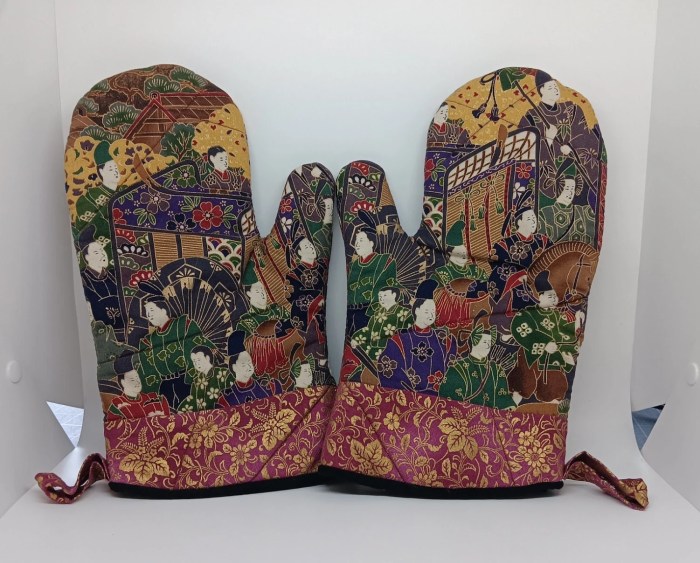
Japanese oven mitts, steeped in a rich aesthetic tradition, must also excel in practical application. The interplay between form and function is crucial; beauty without utility is fleeting, while practicality without appeal can be uninspired. This section explores how the materials, design, and overall aesthetic contribute to the oven mitt’s everyday usability.The meticulous selection of materials directly impacts the functionality of the Japanese oven mitt.
The careful consideration given to the fabric’s properties, like heat resistance, durability, and dexterity, results in a product designed to safeguard the user while offering ease of handling. This balance of aesthetic and practicality is a key element in the design.
Material Impact on Functionality
The choice of materials, often natural fibers like cotton, linen, or silk blended with heat-resistant synthetic materials, significantly influences the oven mitt’s ability to protect the user’s hands from heat. These materials are carefully selected for their ability to withstand high temperatures without sacrificing dexterity. The weave and density of the fabric also contribute to the insulation provided, further enhancing the protection offered.
For example, a tightly woven linen fabric will retain heat better than a loosely woven one, and thus, provide better protection against burns. This meticulous attention to material selection ensures the mitts’ functionality, allowing for a pleasant and safe cooking experience.
Design Elements Enhancing User Experience
The design of Japanese oven mitts extends beyond aesthetics. Ergonomic features, such as strategically placed seams and reinforced stitching, contribute significantly to the user experience. Thoughtful design elements increase the mitts’ grip, making them more secure and comfortable to hold, even when handling hot cookware. Consider, for instance, the addition of a loop or strap, facilitating easy hanging and storage without compromising the overall aesthetic.
These design choices demonstrate a commitment to practicality that complements the aesthetic appeal.
Comfort and Durability
Comfort and durability are not mutually exclusive but rather intertwined aspects of a well-designed oven mitt. The use of breathable materials, like cotton, contributes to a comfortable experience, preventing excessive perspiration and discomfort. The reinforced stitching and strong construction ensure longevity, minimizing the need for frequent replacements and extending the mitts’ lifespan. A well-made Japanese oven mitt is expected to withstand repeated use without compromising its protective and comfortable qualities.
In practice, a balance between heat resistance and breathability is crucial to maximize user comfort during extended use.
Relationship Between Practicality and Aesthetic Appeal
The relationship between practicality and aesthetic appeal in Japanese oven mitts is symbiotic. A beautifully crafted mitt that does not provide adequate heat protection is ultimately flawed. Conversely, a functional mitt that lacks visual appeal might not be engaging to use. The successful Japanese oven mitt seamlessly integrates both elements, creating a product that is both beautiful and useful.
The design effectively balances the aesthetic considerations with the practical requirements for handling hot items, demonstrating the potential of marrying aesthetics and functionality in a highly practical product.
Modern Interpretations
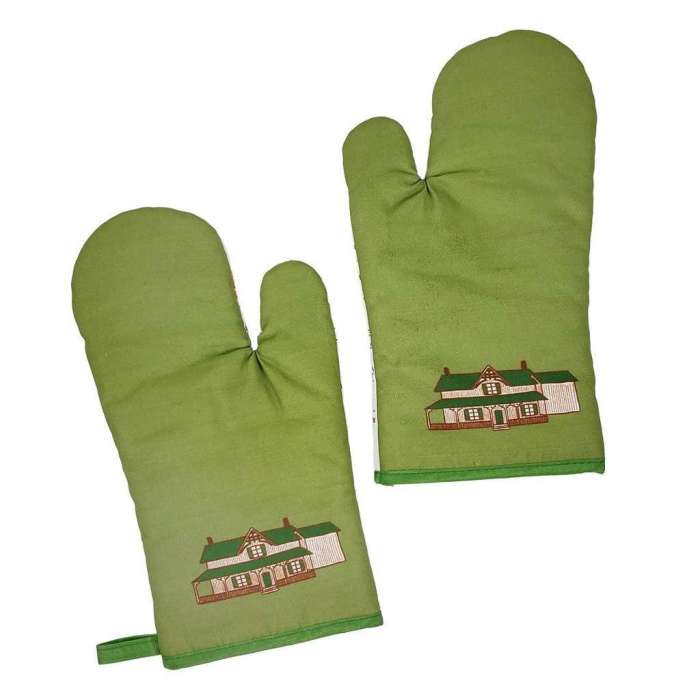
The enduring appeal of Japanese oven mitt aesthetics lies in its harmonious blend of practicality and artistry. Modern designers are revisiting these traditional forms, infusing them with contemporary sensibilities and materials, creating a new wave of functional yet stylish kitchenware. This evolution showcases the timeless appeal of the design principles while responding to the demands of today’s consumers.Contemporary interpretations of the Japanese oven mitt aesthetic often involve a reimagining of traditional techniques and materials, reflecting a modern approach to functionality and aesthetics.
This often manifests in the integration of modern materials and manufacturing processes into the design, while maintaining the core values of the original style.
Modern Material Adaptations
Modern interpretations of Japanese oven mitts incorporate a wider range of materials beyond traditional cotton and linen. Silicone, high-performance fabrics, and innovative thermal-resistant polymers are now commonly seen, enhancing heat resistance and providing greater comfort during use. These modern materials contribute to a lighter, more flexible design, while maintaining the inherent heat protection needed for cooking tasks. The choice of materials often reflects the designer’s intention to create a product that balances functionality and visual appeal.
Designer and Brand Influence
Several contemporary designers and brands are actively incorporating the principles of Japanese oven mitt design into their collections. For instance, companies specializing in sustainable or eco-conscious materials are employing recycled or bio-based fabrics for oven mitts, reflecting the growing consumer demand for environmentally responsible products. The use of natural materials like bamboo or hemp is becoming increasingly common, enhancing the visual and environmental aspects of the design.
Contemporary Design Examples
Contemporary interpretations of Japanese oven mitts often feature minimalist designs, with clean lines and subtle color palettes. A modern example might incorporate a single, bold graphic print reminiscent of traditional Japanese patterns, but executed with a contemporary color scheme. Some designs incorporate ergonomic shapes, allowing for better grip and comfort. The use of contrasting colors and textures also creates visual interest, while maintaining the emphasis on functionality.
Modern designers are exploring different ways to maintain the warmth and tactile qualities of the original designs while making them visually appealing to a contemporary audience. For example, a design might feature a subtle gradient of color, shifting from a deep charcoal gray to a warm beige, evoking a sense of depth and complexity.
Modern Manufacturing Techniques
Modern manufacturing techniques play a crucial role in achieving the balance between traditional aesthetic values and contemporary functionality. These include advanced heat-resistant coatings and seamless construction, providing increased durability and safety. 3D printing and other additive manufacturing techniques are beginning to be applied in specific cases, allowing for more complex shapes and potentially customized designs. The use of advanced manufacturing techniques also enables the creation of intricate patterns or details that were previously difficult to achieve, bringing a modern twist to traditional methods.
Comparison with Other Styles
Traditional oven mitts, often utilitarian and functional, frequently prioritize durability and heat resistance over aesthetic appeal. Conversely, this Japanese-inspired aesthetic, while maintaining practicality, elevates the oven mitt to a piece of functional art, reflecting a deeper cultural appreciation for craftsmanship and design. This approach distinguishes it from other styles.
Key Similarities and Differences
This Japanese aesthetic shares some common ground with other styles, particularly those emphasizing natural materials and minimalist design. However, the distinctive blend of traditional Japanese aesthetics, meticulous craftsmanship, and a focus on subtle color palettes and texture distinguishes it. A significant difference lies in the emphasis on symbolic meaning woven into the design, a concept less prominent in other styles.
Contrasting Aesthetic Elements
| Aesthetic Style | Material Palette | Design Elements | Color Palettes | Cultural Context |
|---|---|---|---|---|
| Traditional Western | Typically durable synthetics, often with a focus on practicality. | Simple, often pouch-like designs, with a focus on protection from heat. | Generally neutral, functional colors (black, grey, dark blue). | Functionality and durability are prioritized. |
| Modern Minimalist | May incorporate high-tech materials like silicone or ceramic-coated fabrics. | Clean lines, often with a focus on streamlined silhouettes and geometric patterns. | Often monochrome or a limited color palette. | Focuses on simplicity and efficiency. |
| Japanese-Inspired | Employs natural fibers like bamboo or cotton, often with intricate weaving patterns. | Features subtle patterns inspired by Japanese art forms, often incorporating symbolic elements. | Emphasizes earthy tones, soft pastels, and subtle color gradients. | Prioritizes craftsmanship, aesthetics, and symbolic meaning. |
Unique Aspects of the Japanese Aesthetic
This aesthetic stands out through its nuanced approach to design. The use of natural materials, intricate weaving techniques, and subtle color palettes sets it apart. Furthermore, the incorporation of traditional Japanese aesthetics, such as the use of symbolic patterns, elevates the oven mitt beyond mere practicality to a piece of functional art. The attention to detail and craftsmanship also contribute to its unique identity within the context of oven mitts.
The focus on sustainability through natural materials further differentiates it.
Inspiration and Inspiration Sources
Japanese oven mitts, imbued with a unique aesthetic, draw inspiration from a rich tapestry of cultural and design influences. These inspirations shape not only the visual appearance but also the underlying philosophy of the product, reflecting a deep connection to traditional craftsmanship and modern sensibilities. The choice of materials, color palettes, and design elements all stem from these inspirations.The design choices for these oven mitts are rooted in a desire to create functional and visually appealing products that resonate with the user.
This connection to the source of inspiration is crucial in creating a cohesive and meaningful aesthetic. Understanding these inspirations allows for a deeper appreciation of the cultural nuances and design principles at play.
Sources of Inspiration
A multitude of sources inform the design of Japanese oven mitts, encompassing both traditional and contemporary influences. These range from iconic Japanese aesthetics to global design trends.
- Traditional Japanese Aesthetics: Influences like wabi-sabi, with its emphasis on the beauty of imperfection and natural materials, can be seen in the subtle textures and muted color palettes. Monochromatic color schemes and the use of natural materials such as bamboo or cotton often reflect this philosophy. Shoji screens, known for their delicate and minimalist designs, offer another source of inspiration, guiding the design toward a simple yet elegant form.
- Contemporary Design Trends: Global design trends, such as the emphasis on sustainability and functionality, influence the choice of materials and construction methods. Minimalist design principles, prevalent in modern aesthetics, also inform the form and color choices of these oven mitts.
- Nature: The natural world, with its organic shapes and color variations, is a frequent source of inspiration. The use of natural materials and earth tones frequently reflects this. The delicate veins of bamboo or the warm tones of wood are frequently incorporated to create a sense of harmony with nature.
Visual References
Numerous visual references can illustrate the diverse sources of inspiration. These include traditional Japanese crafts like origami, with its focus on simple forms and elegant folds, and modern minimalist designs featuring a range of color palettes and material textures.
- Japanese Craftsmanship: Traditional Japanese pottery, with its emphasis on simplicity and natural forms, serves as a visual reference for the oven mitt’s aesthetic. The smooth, often slightly imperfect surfaces of these crafts are echoed in the texture and finish of the oven mitts.
- Contemporary Design: Modern design trends such as Scandinavian minimalism, characterized by clean lines, muted tones, and natural materials, provide a contemporary counterpart to the traditional inspirations. The use of a limited color palette and simple silhouettes reflects these influences.
- Nature Photography: Images of natural landscapes, including forests, mountains, and bodies of water, offer a range of colors and textures for the design, such as the interplay of light and shadow on leaves or the subtle gradients of a sunrise.
Contribution to the Aesthetic
The diverse sources of inspiration contribute to the multifaceted aesthetic of the Japanese oven mitts. The blending of traditional Japanese elements with contemporary design principles creates a unique and harmonious aesthetic that appeals to a broad audience. The use of natural materials, for example, evokes a sense of tranquility and sustainability.
- Cultural Resonance: Traditional Japanese aesthetics like wabi-sabi imbue the oven mitts with a sense of cultural resonance, conveying a unique appreciation for imperfection and natural beauty. This translates to the product’s overall design, emphasizing the beauty of simplicity and natural materials.
- Modern Appeal: The incorporation of contemporary design principles, such as minimalism, enhances the appeal of the oven mitts to a broader audience. The focus on functionality and aesthetics creates a harmonious balance between practicality and artistry, reflecting a modern sensibility.
- Sustainability: The choice of natural materials, such as bamboo or cotton, aligns with the growing global emphasis on sustainability. This reinforces the product’s ethical and environmentally conscious nature, appealing to consumers concerned with responsible production.
Potential Uses
The Japanese aesthetic, with its emphasis on minimalism, functionality, and natural elements, presents compelling opportunities for diverse applications beyond the traditional kitchen. This approach, when applied thoughtfully, can transcend specific contexts and inspire innovation across various product categories.This section explores how the essence of Japanese oven mitts, encompassing meticulous craftsmanship, refined materials, and intuitive design, can be adapted and expanded for a wider range of products and environments.
We examine potential applications, from home furnishings to technological accessories, demonstrating the adaptability and enduring appeal of this aesthetic.
Home Furnishings
Japanese design principles often prioritize harmony with the surrounding environment. Integrating this aesthetic into home furnishings can foster a sense of tranquility and sophistication. For example, consider minimalist coffee tables crafted from natural materials like bamboo or wood, accented with subtle, handcrafted details. Similarly, wall décor incorporating subtle, layered textures and natural tones could create a serene atmosphere.
Technological Accessories
The clean lines and precise detailing of Japanese design can translate effectively into modern technological accessories. Imagine sleek, ergonomic phone cases crafted from sustainable materials like recycled plastics, with minimalist designs that highlight the device’s form without overwhelming it. Headphones, too, could benefit from this aesthetic, showcasing understated elegance and a focus on user experience.
Product Design
The application of Japanese aesthetic principles in product design can lead to functional and aesthetically pleasing outcomes. Consider using this aesthetic to design everyday items like reusable water bottles, crafted from sustainable materials like recycled aluminum or bamboo, featuring subtle color palettes and minimalist branding. These items would seamlessly integrate into daily routines, enhancing both function and aesthetics.
Creative Applications
The principles of Japanese oven mitts extend beyond the realm of traditional kitchenware. Innovative applications could include:
- Architectural Design: Applying principles of natural light and minimalist lines to residential or commercial spaces, focusing on seamless integration with the surroundings. This could involve the use of natural materials like wood and stone, alongside minimalist architectural features.
- Fashion Design: Employing the aesthetic in clothing design, focusing on subtle patterns, natural fibers, and ergonomic designs for comfortable movement. This could involve garments crafted from sustainable fabrics, featuring understated patterns and silhouettes.
- Outdoor Recreation Equipment: Crafting outdoor gear like backpacks or camping equipment with a focus on lightweight, functional design and natural color palettes. This could include the use of recycled materials and a minimalist approach to functionality.
Conceptual Diagram of Potential Uses
| Category | Product Example | Key Design Elements |
|---|---|---|
| Home Furnishings | Coffee table | Minimalist form, natural materials (bamboo, wood), subtle details |
| Technological Accessories | Phone case | Ergonomic design, sustainable materials (recycled plastics), minimalist branding |
| Product Design | Reusable water bottle | Sustainable materials (recycled aluminum, bamboo), subtle color palettes, minimalist branding |
| Creative Applications | Architectural Design | Natural light, minimalist lines, seamless integration with surroundings, natural materials |
Summary
In conclusion, the Japanese oven mitts aesthetic represents a captivating fusion of practicality and artistry. The careful selection of materials, meticulous design, and evocative color palettes combine to create a truly unique and compelling style. This aesthetic not only enhances the cooking experience but also offers a window into the profound appreciation for craftsmanship and beauty inherent in Japanese culture.
